PSLV-C62’s failure is a setback but LACHIT-1 has already ignited a new space ambition in the Northeast
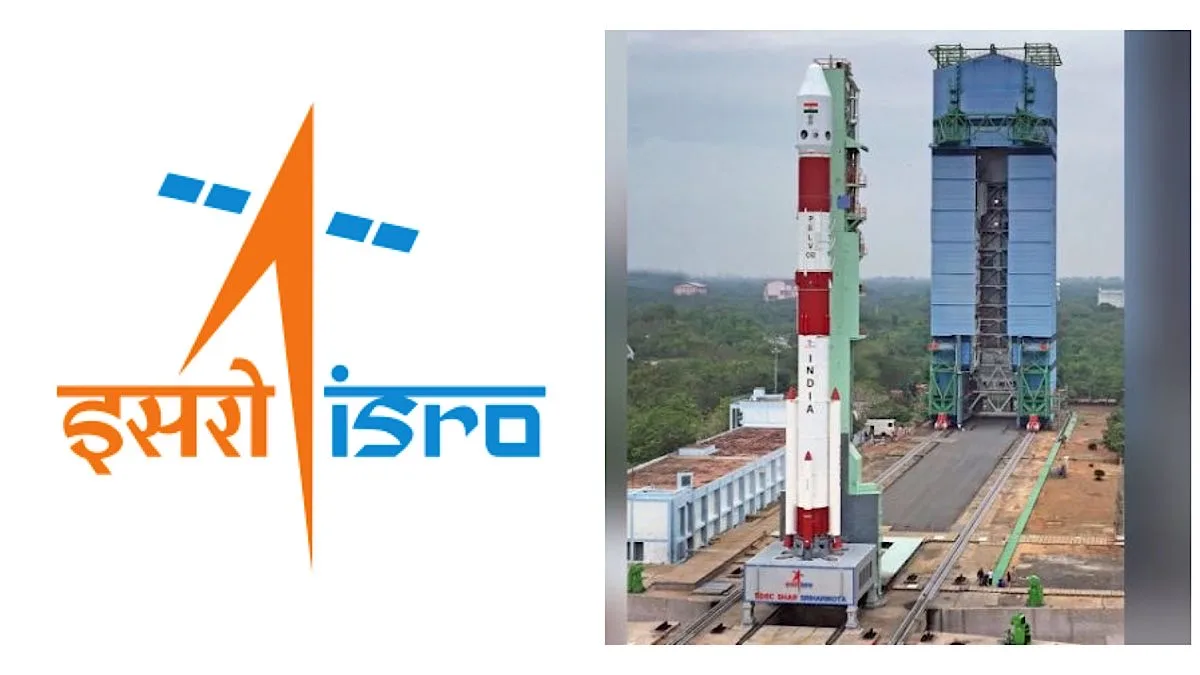
The failure of ISRO’s PSLV-C62 mission on Monday was undeniably disappointing. For a nation that has grown accustomed to watching its space agency notch up one triumph after another, the loss of 16 satellites including the Northeast’s first homegrown satellite, LACHIT-1 hurts. Yet, in a country that reveres both scientific excellence and historical courage, this moment should not be reduced to a mere technical mishap. It must be seen for what it truly is: a test of resilience and a reminder that progress is forged through persistence.
Advertisement
ISRO Chairman V. Narayanan’s calm and transparent communication following the anomaly reflects the maturity of India’s space programme. Disturbances observed during the third stage of the rocket, leading to a deviation from its intended flight path, are now being meticulously analysed. This scientific rigour is what has made ISRO a global benchmark learning from failure, not hiding it. The PSLV, long hailed as a “workhorse,” has now faced two consecutive failures. That stings. But if history teaches us anything, it is that setbacks are often the stepping stones to stronger comebacks.
What makes this failure particularly emotional is the loss of LACHIT-1. Named after the legendary Ahom general Lachit Borphukan, the satellite symbolised regional pride, courage, and innovation. Built by students from across the Northeast, it was more than a technological payload, it was a statement. For decades, the Northeast has been seen through a narrow lens, often reduced to conflict narratives or development deficits. LACHIT-1 challenged that perception. It told India and the world that the region is not just watching the space revolution, it is actively shaping it.
Had it been deployed successfully, LACHIT-1 would have served the global amateur radio community, allowing licensed operators worldwide to experiment and communicate using the satellite. But beyond its technical utility, it represented something deeper: aspiration. It showed that young minds from Assam, Manipur, Meghalaya, Mizoram, Nagaland, Tripura, Arunachal Pradesh, and Sikkim could build something that reaches for the stars literally.
Critics will point to the failure. Some will mock, others will sensationalise. That is the easy path. The harder and nobler path is to recognise the courage behind the attempt. “What’s new in the Northeast?” people asked. The answer was simple and powerful: “Satellite.” That single word shattered stereotypes. It proved that innovation is not confined to metros or elite institutions. It thrives wherever curiosity is nurtured.
From the land of Lachit Borphukan to the edge of space what a journey that is. Lachit once defended Assam’s sovereignty against the Mughal empire with grit and strategy. Today, his name rides rockets, inspiring a new generation to defend India’s future in science and technology. The symbolism is poetic: courage then, innovation now.
ISRO, too, deserves credit. Launching a multi-satellite mission into a 512 km Sun-Synchronous Orbit is no small feat. The countdown was flawless, the lift-off majestic, and the early flight phases textbook-perfect. That a glitch occurred near the end of the third stage does not erase the brilliance of the engineers, scientists, and technicians behind the mission. In fact, it highlights the complexity of space exploration where even a minor anomaly can change everything.
Failures hurt. But they are also humbling. They push institutions to introspect, innovate, and emerge stronger. ISRO has done this before with GSLV, with cryogenic engines, with lunar landings. Each stumble has made India’s space programme more robust.
So let us not mourn this as an end. Let us see it as a pause, a deep breath before the next leap. LACHIT-1 may have been lost in orbit, but its message is firmly grounded on Earth: the Northeast belongs in India’s space future.
We dared. We built. We stumbled.
And we will rise again.
(The writer is a political analyst, technocrat, and an author from Assam)